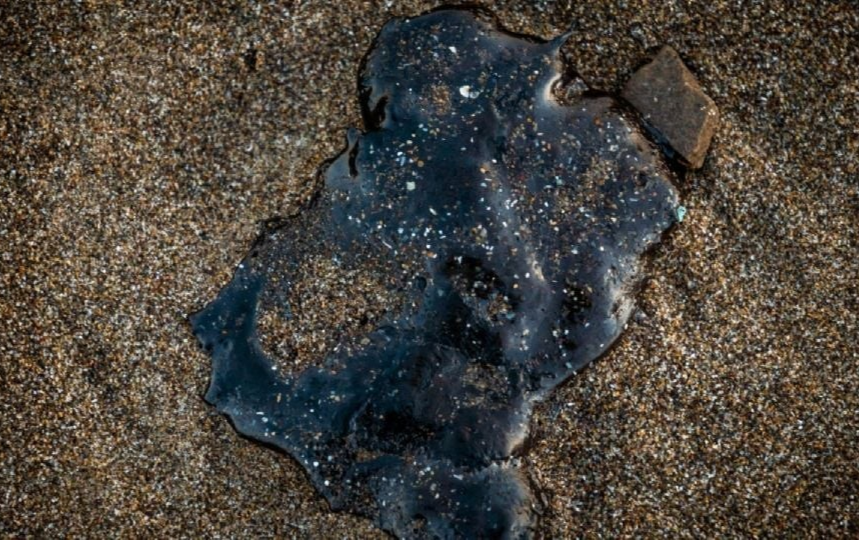

At least 81 beaches along the Gulf of Mexico still show signs of oil slicks in the states of Tabasco, Veracruz, and Tamaulipas, according to a bulletin issued Monday, April 27, by the Gulf of Mexico Reef Corridor Network, nearly 10 weeks after the spill was reported.
The document states that large oil slicks have been found at at least 16 sites and medium-sized slicks at at least 17, as well as flakes of the oil, which are difficult to remove and also indicate the presence of the contaminant, even if not immediately obvious.
These slicks have been observed from Centla Beach in the southern state of Tabasco to Bagdad Beach, near the U.S. border in the state of Tamaulipas, along 1,168 kilometers of coastline.
The bulletin notes that efforts to detect the presence of the oil are limited to superficial observation, “with the naked eye,” and have prioritized sites of tourist importance.
“Studies on the presence of hydrocarbons in sediments, water, and biota (fish, oysters, etc.) are still pending, as well as identifying the existence of hydrocarbons buried in the sand and analyzing their impact on meiofauna (small animals that live among the grains of sand and in the mud, and are excellent bioindicators of environmental stress), ecosystems in general, and human health,” the report details.
They explain that the resource could have settled under the sand and continue to resurface and stain the beaches when water currents push it out.
The Red Corredor network also reports damage to wildlife, including 22 sea turtles, four dolphins, two pelicans, and one manatee, as well as numerous dead fish. This damage is also observed in mangroves and reefs.
Given this situation and the social impacts on coastal communities, especially those whose main economic activity is fishing, the Reef Corridor Network is calling on authorities to expand their response to the spill, including repairing the damage and preventing future spills.
They are also calling for the establishment of working groups to engage in dialogue with those affected and address the spill.

Source: latinus.us